Posts

Showing posts with the label #athletes

Benefits of Incorporating Stretching into Massage Therapy

Image
  Incorporating stretching into a massage session can enhance the effects of massage by improving mobility, reducing muscle tension, and supporting overall movement. The benefits depend on the person's health, the type of stretching used, and whether it's performed appropriately. Some potential benefits include: Improved flexibility:  Stretching can help increase the range of motion in muscles and joints, making everyday movements and exercise feel easier. Reduced muscle tension:  Massage helps relax soft tissues, and stretching afterward may further relieve tightness in shortened or stiff muscles. Better joint mobility:  Gentle stretching can improve how freely joints move by addressing surrounding muscles and connective tissues. Enhanced circulation:  Massage increases blood flow, and movement during stretching may further support circulation and nutrient delivery to tissues. Improved posture:  Stretching muscles that are chronically tight can help reduce...

How often Should You be Receiving Massage Therapy?

Image
  How often you should get a massage depends on your goals, overall health, and budget. Here are some general guidelines: For general wellness and stress relief:  Every  3–4 weeks  is a common schedule for maintaining relaxation and managing everyday muscle tension. For chronic pain or muscle tightness:   Once a week  or  every 2 weeks  may be beneficial initially. As symptoms improve, sessions can often be spaced further apart. For athletes or highly active people:  Every  1–2 weeks , or around training and competition, depending on intensity and recovery needs. After an injury:  The frequency should be determined by your healthcare provider or licensed massage therapist, often starting with more frequent sessions and tapering as healing progresses. During periods of high stress:  Weekly massages for several weeks may help, after which you can transition to a maintenance schedule. Signs you might benefit from a massage Persist...

Pilates For Those With Ankle Replacements

Image
  If you've had an ankle replacement, Pilates can often be a good way to improve strength, balance, and mobility—but it usually needs to be modified to protect the new joint. The right approach depends on factors such as how long ago your surgery was, your recovery, and any instructions from your orthopedic surgeon or physical therapist. Here are some general guidelines: Exercises that are often appropriate These are commonly well tolerated once you've been cleared for exercise: Core strengthening (pelvic tilts, abdominal bracing) Bridges Clamshells and side-lying leg lifts Seated or lying leg work Gentle hip and glute strengthening Controlled spinal mobility exercises (such as cat-cow) Balance exercises with support, if recommended by your healthcare provider Exercises that may need modification Depending on your mobility and comfort, you may need to reduce or avoid: Deep squats or lunges that require a lot of ankle dorsiflexion Repeated rises onto the toes Jumping or other hi...

Importance of Stretching Before and After A Workout

Image
  Stretching isn’t just a “nice add-on”—it plays a real role in how your body performs, recovers, and stays injury-free. The key is  how  and  when  you stretch.  Before a Workout: Prepare the Body (Dynamic Stretching) Before exercising, focus on  dynamic stretching —controlled, moving stretches that mimic your workout. Why it matters: Increases blood flow & circulation  → muscles get oxygen faster Improves mobility & range of motion  → better form and performance Activates muscles  → helps prevent strains and pulls Enhances coordination  → primes your nervous system Examples: Leg swings Arm circles Walking lunges Torso rotations  Think of this as  waking up your body  rather than forcing it to relax.  After a Workout: Recover & Reset (Static Stretching) After your workout, switch to  static stretching —holding stretches for 20–60 seconds. Why it matters: Reduces muscle tightness  after exer...

Pilates For Golf Performance

Image
  Pilates is actually one of the best cross-training methods for golfers because it builds the exact combination of mobility, stability, and control needed for an efficient swing. Here’s how it directly improves golf performance: 1. Improves Rotation (More Power in Your Swing) Golf is all about controlled rotation through the torso. Pilates focuses heavily on spinal mobility and rotational strength. Increases thoracic spine mobility (mid-back) Helps create a smoother backswing and follow-through Generates more power without overusing the arms 2. Builds Core Strength (Your Swing Engine) Your core is what drives the golf swing—not your arms. Strengthens deep stabilizing muscles (transverse abdominis, obliques) Improves energy transfer from lower body → upper body Leads to more consistent, controlled shots  3. Enhances Balance & Stability Golf requires staying stable while moving dynamically. Improves single-leg stability (important during swing phases) Helps maintain posture...

Electrolytes: Why They Are Important and How They Help Keep You Hydrated

Image
Electrolytes are essential for hydration because they help your body  absorb, distribute, and retain fluids properly  — not just drink them. Here’s why they matter: 1. They Help Your Body Actually Use Water When you drink water, electrolytes like  sodium  help move that water from your bloodstream into your cells. Without electrolytes, much of the water you drink can pass through your system without fully hydrating you. 2. They Maintain Fluid Balance Electrolytes regulate how much fluid stays inside your cells and how much stays outside. The key players include: Sodium  – controls fluid balance and blood pressure Potassium  – balances sodium and supports cell hydration Magnesium  – supports muscle and nerve function Calcium  – important for muscle contractions 3. They Prevent Dehydration Symptoms When electrolytes are low (from sweating, illness, heat, massage, or exercise), you may experience: Fatigue Headaches Muscle cramps Dizziness Brain fog 4...

What Types of Exercise Compliment Pilates?

Image
  Pilates pairs well with several other exercise types, depending on your goals. Because Pilates builds core strength, stability, posture, and controlled mobility, complementary workouts usually add what Pilates  doesn’t  emphasize as heavily: cardiovascular conditioning, heavier strength training, or higher-impact loading for bone density. Here are the best categories: 1. Cardiovascular Training Pilates is not typically cardio-intense, so adding heart-rate–elevating activity helps balance your fitness routine. Good options: Walking or hiking Running or jogging Cycling (indoor or outdoor) Swimming Rowing Low-impact cardio classes These improve heart health, endurance, and calorie burn. 2. Strength & Resistance Training Pilates builds strength, but mostly using bodyweight and light resistance. Complementing it with heavier or functional strength work helps increase muscle mass and bone density. Options include: Weightlifting (dumbbells/barbells) Kettlebell training Res...

SI Joint Release

Image
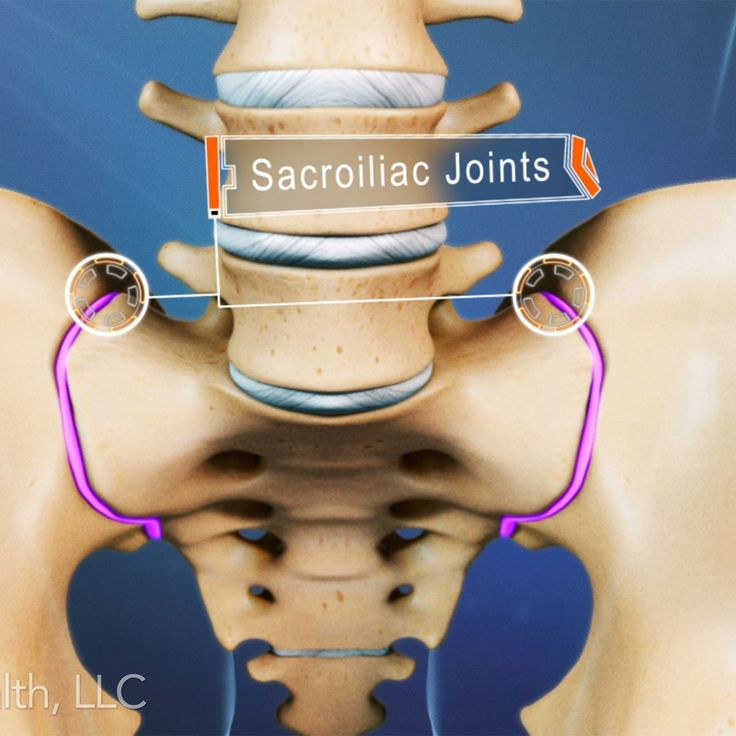
An  S.I. Joint Release  refers to techniques aimed at relieving tension or dysfunction in the  sacroiliac (S.I.) joint , which is the joint between the sacrum (the triangular bone at the base of your spine) and the ilium (part of the pelvis). Dysfunction or stiffness here can cause  lower back pain, hip pain, or radiating leg pain , often mistaken for sciatica. Goals of SI Joint Release: Restore mobility Reduce inflammation or irritation Realign the pelvis Relieve pressure on surrounding muscles or nerves  Common S.I. Joint Release Techniques 1.  Gentle Self-Stretches These help mobilize the joint and surrounding muscles.  Supine Knee-to-Chest Lie on your back. Pull one knee toward your chest while keeping the other leg straight. Hold for 20–30 seconds. Switch sides. Promotes pelvic realignment.  Piriformis Stretch Lie on your back, cross one ankle over the opposite knee. Pull the uncrossed leg toward your chest. Hold for 30 seconds. Helps reduce ...

Difference Between Pilates and Yoga

Image
  Pilates vs. Yoga  — both are mind-body practices that improve strength, flexibility, and focus, but they differ in origin, approach, and goals. Here’s a breakdown of the key differences: 1. Origin Yoga : Ancient practice from India, dating back thousands of years. It has spiritual, philosophical, and physical components. Pilates : Developed in the early 20th century by Joseph Pilates to help injured soldiers and dancers recover. It’s primarily physical and rehabilitative. 2. Focus Yoga : Focuses on flexibility, balance, breath control ( pranayama ), and mental clarity. Often involves meditation and mindfulness. Pilates : Focuses on  core strength , posture, and alignment. It’s more fitness-oriented, with emphasis on controlled movements. 3. Movement Style Yoga : Involves holding poses ( asanas ) and flowing through sequences (like  vinyasa ). Movements can be static or dynamic. Pilates : Involves small, precise, repetitive movements, often targeting specific muscle...

Trigger Point Massage

Image
  A  trigger point massage  is a type of massage therapy focused on identifying and releasing  trigger points —also known as  muscle knots . These are tight, sensitive areas in muscles that can cause localized pain or even  referred pain  (pain felt in another part of the body). What is a Trigger Point? A  trigger point  is a small, tight area within muscle tissue that can feel like a nodule or knot. These points: Are often  painful when pressed Can cause  radiating pain  (e.g., a knot in your shoulder might cause a headache) Develop due to  muscle overuse, stress, injury, or poor posture What Happens During a Trigger Point Massage? The massage therapist will: Locate the trigger points  by palpating muscles. Apply  sustained pressure  using fingers, knuckles, or elbows. Use techniques like: Deep tissue pressure Stretching Myofascial release Hold pressure for  20–60 seconds  to help the muscle relea...

Importance of Forearm Strength and Pilates Exercises to Help

Image
  Importance of Forearm Strength Forearm strength is often overlooked but plays a  crucial role in overall upper body functionality  and daily activities. Here's why it matters:   1. Improved Grip Strength Essential for lifting weights, carrying groceries, opening jars, or using tools. Strong grip also enhances performance in sports like tennis, golf, climbing, and rowing.   2. Injury Prevention Reduces the risk of strains, tendonitis, and repetitive stress injuries in the wrists and elbows (e.g., tennis elbow, carpal tunnel). Supports better wrist stability during exercises like push-ups, planks, or yoga poses.   3. Better Athletic Performance Enhances power transfer from the arms to the hands in sports. Crucial for athletes, gym-goers, and anyone using their hands regularly.   4. Functional Strength Supports everyday activities that require pulling, pushing, twisting, or holding items for extended periods. Pilates may not traditionally focus on forea...

Pilates Exercises for Tight Hamstrings and Quads

Image
  Tight hamstrings and quads can lead to poor posture, lower back discomfort, and limited mobility. Pilates is excellent for lengthening and strengthening these muscles in a controlled, mindful way. Here are some effective  Pilates exercises  to target tight hamstrings and quadriceps: 🔹  For Tight Hamstrings: Hamstring Stretch on the Mat How:  Lie on your back, one leg extended on the mat, the other raised with a strap around your foot. Action:  Gently pull the raised leg toward you while keeping it straight. Hold for 30 seconds. Benefits:  Stretches the hamstrings while supporting the lower back. Leg Circles How:  Lie on your back with one leg extended up, the other on the mat. Action:  Circle the raised leg slowly in both directions. Benefits:  Loosens tight hamstrings while improving hip mobility. Standing Roll Down How:  Stand tall, slowly roll down vertebra by vertebra toward your toes. Action:  Let the arms and head hang...

Importance of Strong Core Muscles and Pilates Exercises to Strengthen

Image
A  strong core  is essential for much more than just toned abs—it’s the foundation of nearly every movement your body makes. Here’s why core strength matters: 1. Improves Posture Strong core muscles support the spine and help you sit and stand tall. This reduces strain on your back and neck and prevents slouching.   2. Enhances Balance & Stability Your core stabilizes your body in motion and stillness. This is vital for sports, daily activities, and injury prevention—especially as we age.   3. Reduces Risk of Injury A weak core puts more stress on other parts of the body (like your lower back), making you more prone to strains, sprains, and overuse injuries. 4. Supports Everyday Movements From getting out of bed to lifting groceries, your core powers and protects your body through basic functional movements. 5. Boosts Performance in Exercise & Sports Whether you’re running, golfing, dancing, or doing Pilates, a strong core helps generate power, maintain form,...

What To Expect During A Sports Massage

Image
  A  sports massage  is a type of therapeutic massage specifically designed to help athletes prepare for and recover from training and competition. It can also benefit non-athletes who engage in regular physical activity. Here's what you can expect before, during, and after a sports massage: Before the Massage Consultation:  The therapist will ask about your medical history, current injuries, physical activity level, and areas of tension or discomfort. Goal Setting:  You’ll discuss your goals—whether it’s recovery, injury prevention, improving flexibility, or prepping for an event. During the Massage Technique Variety:  The therapist may use a combination of techniques, such as: Effleurage:  Light strokes to warm up the muscles. Petrissage:  Kneading to loosen tight muscles and improve circulation. Deep tissue work:  Targets deeper muscle layers and fascia to relieve chronic tension. Trigger point therapy:  Focuses on specific points tha...