Posts

Showing posts with the label #stretch

5 Ways Pilates Can Compliment Your Other Workouts

Image
  Pilates is often associated with slow, controlled movements and core exercises, but it can be much more than a standalone workout. When incorporated into a well-rounded fitness routine, Pilates can complement activities such as strength training, running, cycling, swimming, and high-intensity workouts. Rather than replacing the workouts you already enjoy, Pilates can help address areas that may be overlooked in other forms of exercise—such as mobility, stability, posture, body awareness, and controlled movement. Here are five ways Pilates can fit into and enhance your existing fitness routine. 1. Pilates Helps Build a Stronger Core A strong core is important for much more than achieving defined abdominal muscles. Your core helps stabilize your body and transfer force between your upper and lower body during movement. Pilates places a strong emphasis on controlled core engagement. Many exercises challenge the abdominal muscles while also involving the back, hips, and pelvis. Over ...

Every Day Stretch Routine

Image
  A daily stretching routine can help maintain mobility, reduce stiffness, improve posture, and support long-term joint health. You don't need an hour—5 to 10 minutes is enough for most people. 1. Neck Stretch Targets: neck and upper traps Gently tilt your ear toward your shoulder. Hold 20–30 seconds per side. Avoid pulling hard on your head. 2. Chest Opener Targets: chest and front shoulders Clasp your hands behind your back and gently lift them. Or stand in a doorway with your forearms against the frame and lean forward. Hold 20–30 seconds. 3. Cat-Cow Targets: spine mobility Start on hands and knees. Alternate arching and rounding your back slowly. Perform 8–10 repetitions. 4. Hip Flexor Stretch Targets: front of hips Kneel in a lunge position. Shift your weight forward while keeping your torso upright. Hold 20–30 seconds per side. 5. Hamstring Stretch Targets: back of thighs Sit with one leg extended or place your heel on a low surface. Hinge forward from the hips. Hold 20–30 se...

Importance of Stretching Before and After A Workout

Image
  Stretching isn’t just a “nice add-on”—it plays a real role in how your body performs, recovers, and stays injury-free. The key is  how  and  when  you stretch.  Before a Workout: Prepare the Body (Dynamic Stretching) Before exercising, focus on  dynamic stretching —controlled, moving stretches that mimic your workout. Why it matters: Increases blood flow & circulation  → muscles get oxygen faster Improves mobility & range of motion  → better form and performance Activates muscles  → helps prevent strains and pulls Enhances coordination  → primes your nervous system Examples: Leg swings Arm circles Walking lunges Torso rotations  Think of this as  waking up your body  rather than forcing it to relax.  After a Workout: Recover & Reset (Static Stretching) After your workout, switch to  static stretching —holding stretches for 20–60 seconds. Why it matters: Reduces muscle tightness  after exer...

Pilates and Daily Activities

Image
  Pilates is one of the best forms of exercise for improving  how your body functions in everyday life  — not just how it looks or performs in a workout. 1. Improves Posture (Sitting, Driving, Working) Pilates strengthens deep core muscles (transverse abdominis, multifidus) that support the spine. Daily benefits: Less slouching at a desk Reduced neck and shoulder tension Decreased low back pain Better alignment while standing in line or cooking 2. Makes Lifting & Carrying Safer Pilates teaches proper engagement of the core and hip muscles. Daily benefits: Safer lifting of kids, groceries, laundry Less strain on the lower back Improved hip strength for bending and squatting 3. Improves Balance & Stability Pilates strengthens stabilizing muscles and improves body awareness (proprioception). Daily benefits: Better balance on stairs Reduced fall risk More stability on uneven surfaces 4. Increases Flexibility Without Losing Strength Pilates works muscles through contro...

Pilates Exercises For Those with Hip Replacements

Image
  Here are  safe, commonly recommended Pilates-style exercises for people with hip replacements , focusing on  stability, mobility, and gentle strength . These are  general guidelines , not rehab instructions—always follow your surgeon or physical therapist’s specific precautions. General Safety First Get  medical/physical therapist clearance  before starting Move  slowly and with control Stop if there is  pain, pinching, or discomfort Avoid forcing range of motion Respect your  hip precautions  (they differ by surgery type) Generally Safe Pilates Exercises 1. Pelvic Tilts (Supine) Lying on your back, knees bent Gently tilt pelvis to flatten the lower back Builds core stability without stressing the hip 2. Heel Slides On your back, slide one heel toward your body and back out Improves hip mobility safely 3. Marching (Supine or Seated) Lift one foot at a time while keeping pelvis stable Strengthens hip flexors and core control 4. Bridging...

SI Joint Release

Image
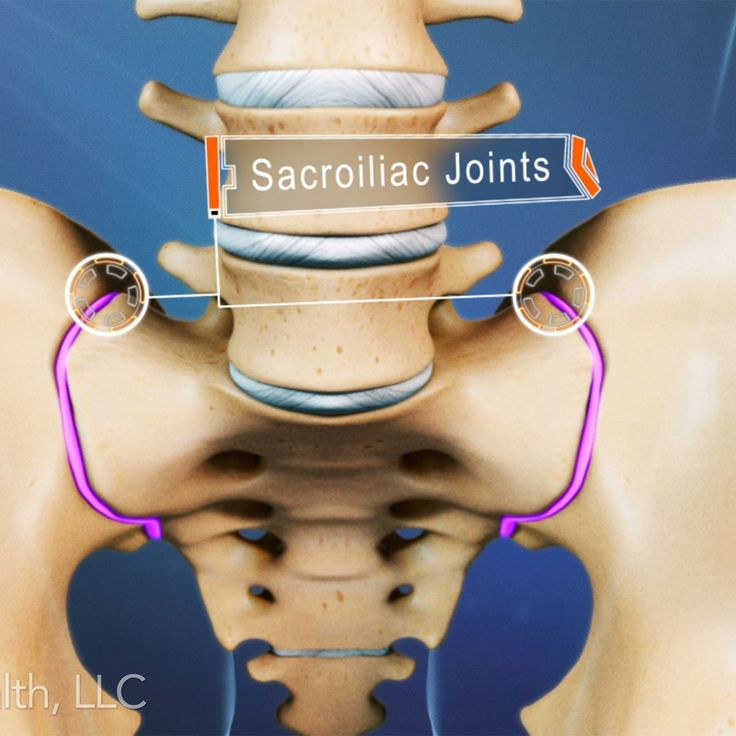
An  S.I. Joint Release  refers to techniques aimed at relieving tension or dysfunction in the  sacroiliac (S.I.) joint , which is the joint between the sacrum (the triangular bone at the base of your spine) and the ilium (part of the pelvis). Dysfunction or stiffness here can cause  lower back pain, hip pain, or radiating leg pain , often mistaken for sciatica. Goals of SI Joint Release: Restore mobility Reduce inflammation or irritation Realign the pelvis Relieve pressure on surrounding muscles or nerves  Common S.I. Joint Release Techniques 1.  Gentle Self-Stretches These help mobilize the joint and surrounding muscles.  Supine Knee-to-Chest Lie on your back. Pull one knee toward your chest while keeping the other leg straight. Hold for 20–30 seconds. Switch sides. Promotes pelvic realignment.  Piriformis Stretch Lie on your back, cross one ankle over the opposite knee. Pull the uncrossed leg toward your chest. Hold for 30 seconds. Helps reduce ...

Massage Therapy For Sciatica

Image
  Massage therapy can be an effective  complementary treatment for sciatica , particularly for relieving muscle tension, reducing pain, and improving mobility. However, it’s important to understand that it doesn't directly “cure” sciatica—especially if the root cause is something structural like a herniated disc or spinal stenosis.   Benefits of Massage for Sciatica Reduces muscle tension  – Tight muscles (especially in the lower back, glutes, and hamstrings) can compress the sciatic nerve. Improves blood flow  – Promotes healing and reduces inflammation. Stimulates endorphin release  – Natural pain relief and relaxation. Improves flexibility  – Restores range of motion, helping reduce nerve compression over time.    Focus Areas Piriformis muscle  – Tightness here can cause “piriformis syndrome,” mimicking or contributing to sciatic pain. Glutes  – Deep tissue massage here can help alleviate pressure on the sciatic nerve. Lower back...

Pilates Shoulder Openers

Image
  Here are some effective  Pilates shoulder openers  that help release tension, improve posture, and increase shoulder mobility: 1.  Chest Expansion (Standing or on Reformer) Stand tall or kneel on the reformer carriage. Arms by your sides, holding light resistance or straps. Inhale, press arms straight back, opening the chest. Exhale, return to start. Focus on drawing shoulder blades together without lifting the shoulders. 2.  Thread the Needle (Mat) Start in all fours (hands and knees). Inhale, slide your right arm underneath your left arm, lowering your shoulder and cheek to the mat. Hold for a few breaths, then switch sides. Promotes thoracic rotation and shoulder stretch. 3.  Arm Circles (Supine or Mat) Lie on your back with knees bent. Raise arms toward ceiling. Inhale, circle arms overhead and out to the sides. Exhale, bring arms back to start. Focus on keeping ribs down and shoulders gliding smoothly. 4.  Scapular Isolation / Shoulder Blade Sli...

Pilates Hip Opener Exercises

Image
  Here are some effective  Pilates-based hip opener exercises  that can help increase mobility, release tension, and improve alignment in the hips: 🧘‍♀️  1. Hip Rolls (Pelvic Curl) Focus:  Opens front of hips, strengthens glutes and hamstrings How to: Lie on your back with knees bent, feet hip-width apart. Inhale to prepare. Exhale as you tilt your pelvis and roll your spine up into a bridge. Inhale at the top, exhale to roll down slowly. Repeat 8–10 times. 🧘‍♀️  2. Supine Figure Four Stretch Focus:  Opens external rotators and piriformis How to: Lie on your back and cross your right ankle over your left thigh. Grab behind your left thigh and gently pull it toward your chest. Hold for 30 seconds, then switch sides. 🧘‍♀️  3. Side-Lying Leg Circles Focus:  Strengthens hips while improving mobility How to: Lie on your side, legs extended. Lift your top leg slightly and make small controlled circles. 5–8 circles in each direction, then switch ...

What To Expect During A Sports Massage

Image
  A  sports massage  is a type of therapeutic massage specifically designed to help athletes prepare for and recover from training and competition. It can also benefit non-athletes who engage in regular physical activity. Here's what you can expect before, during, and after a sports massage: Before the Massage Consultation:  The therapist will ask about your medical history, current injuries, physical activity level, and areas of tension or discomfort. Goal Setting:  You’ll discuss your goals—whether it’s recovery, injury prevention, improving flexibility, or prepping for an event. During the Massage Technique Variety:  The therapist may use a combination of techniques, such as: Effleurage:  Light strokes to warm up the muscles. Petrissage:  Kneading to loosen tight muscles and improve circulation. Deep tissue work:  Targets deeper muscle layers and fascia to relieve chronic tension. Trigger point therapy:  Focuses on specific points tha...

Pilates Exercises for Rotator Cuff

Image
  Pilates can be an excellent way to gently strengthen and stabilize the  rotator cuff  while improving shoulder mobility and posture. The rotator cuff consists of four muscles (supraspinatus, infraspinatus, teres minor, and subscapularis) that stabilize and move the shoulder joint. When dealing with rotator cuff issues, it’s crucial to focus on  controlled movements ,  scapular stability , and  gradual strengthening . Here are  safe and effective Pilates exercises for rotator cuff rehabilitation and strengthening , ideally under the guidance of a qualified instructor or physical therapist: ✅  1. Scapular Isolation (Protraction/Retraction) Focus:  Scapular control and awareness Instructions: Lie on your back or sit tall. Reach one arm toward the ceiling (protract), then let the shoulder blade return down (retract). Keep the arm straight, movement comes from the shoulder blade. ✅  2. Wall Angels Focus:  Shoulder mobility and posture ...

Pilates Exercises For Tight Lower Back

Image
  Pilates can be very effective in relieving tightness in the lower back by focusing on core strength, posture, and gentle stretching. Here are several Pilates exercises that can help release tension and improve mobility in the lower back: 🔹 1.  Pelvic Tilt (Imprint) Purpose:  Releases tightness and strengthens deep abdominal muscles. How to do it: Lie on your back with knees bent, feet flat on the floor hip-width apart. Inhale to prepare. As you exhale, gently tilt your pelvis so your lower back flattens into the mat (posterior tilt). Inhale to return to a neutral spine. Repeat 8–10 times slowly. 🔹 2.  Knee Sways (Spinal Rotation) Purpose:  Gently mobilizes and decompresses the lumbar spine. How to do it: Lie on your back with knees bent and feet flat. Let your knees fall to one side while keeping shoulders grounded. Inhale to center, exhale to the opposite side. Repeat 8–10 times per side. 🔹 3.  Cat-Cow (Spine Mobility) Purpose:  Improves spinal f...